

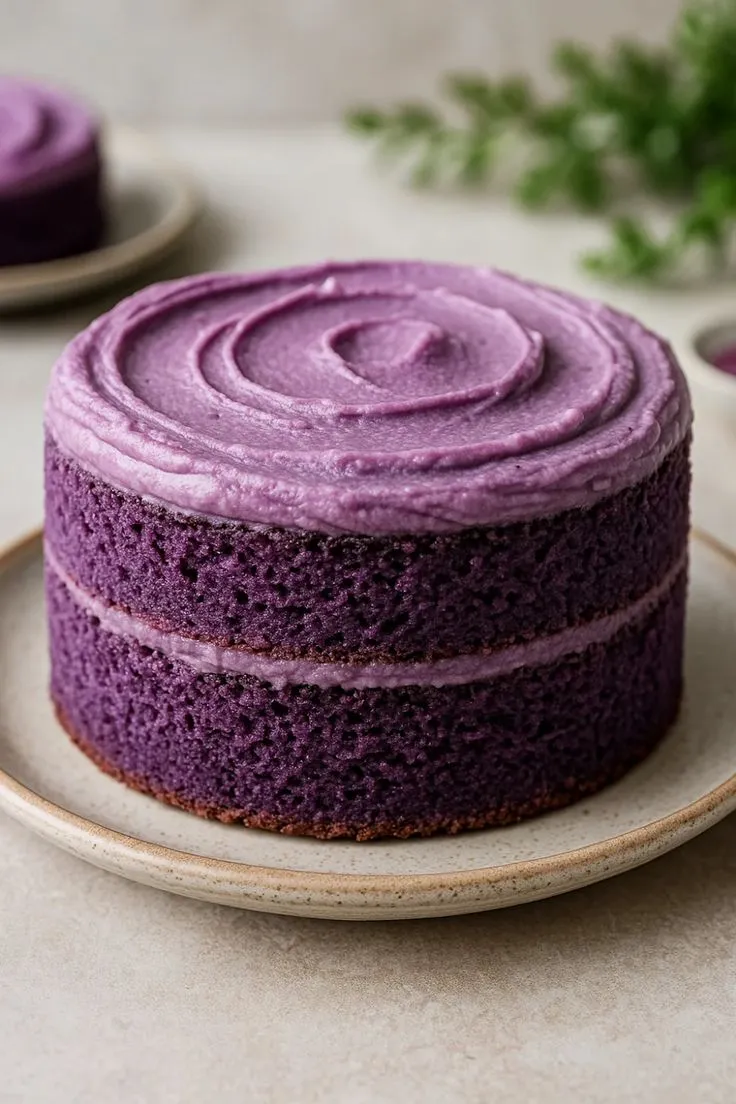
Plant-derived coloring can offer a variety of red, purple and blue colors to modern food formulations for manufacturers. When creating products using naturally derived color, it may be considered to use Elderberry as one of the botanical sources. But selection of the right ingredient involves more than a match of visual shade. The final result can be affected by the food matrix, pH, processing conditions, dosage, storage and application format.
Understanding Elderberry Color
Elderberry Color is derived from the naturally occurring pigments in elderberries. The main pigments in these pigments are anthocyanins, which give the deep red, purple and blue-purple color of the fruit.
The final shade may vary with concentration and the formulation surrounding the shade. Other factors such as acidity, processing, and interactions with other ingredients may also affect the appearance of the color.
Therefore, manufacturers should test the coloring from elderberry in the food product itself and not just a concentrated sample.
Where Plant-Based Colors Fit
Plant-based colors can be used in drinks, candy, milk products, desserts, sauces, fruit products, bakery goods and other processed foods. Different requirements for color performance can be created for each application.
For a beverage, it may be necessary to achieve effective dispersion in a liquid system, and for confectionery products, it may be necessary to withstand heat and concentrated sugar conditions. Dairy products can add proteins and fats, which can affect color distribution.
The food matrix, and production process must be known before choosing an appropriate botanical color source for the manufacturer.
Consider Purple Color Requirements
Purple color for food can range from soft violet and reddish-purple to deeper blue-purple shades. The required appearance should be defined before comparing potential ingredients.
Undertones may vary from different botanical sources, so manufacturers should check colors in the final formulation. Colors that seem appropriate in water may not work well with fruit, dairy, sugar, acids or other ingredients.
Application-specific testing can be used to help the product developer determine if an ingredient will give the desired appearance at a practical level.
Evaluate pH Conditions
Anthocyanin-based coloring ingredients can be very sensitive to pH. The final product color or appearance might be affected by changes in acidity.
The manufacturer should check the selected color at the pH of the formulation in which it is to be used. Testing within a practical pH range can be useful if the recipe is still in the development phase, to gain information on the response of the color to formulation changes.
This is especially important for acidic drinks, fruit products, sauces and candy.
Assess Processing Conditions
There are various processing steps in food manufacturing, such as heating, mixing, pasteurization, baking, freezing, and more. When assessing a plant-based color, these conditions should be taken into consideration.
A color may look good before processing but look different after it has been subjected to heat or other production factors. The time of processing may also have an impact on the outcome.
It is important that the important commercial stages are simulated as closely as possible in laboratory trials. This will give a more realistic idea of the performance of the selected ingredient in the manufacturing process.
Review Color Strength and Dosage
When comparing botanical ingredients, it is important to take into account the concentration and dosage. It can be possible to get the desired color using a relatively low amount of a concentrated product, or a higher amount of another product.
But dosage is not the only criterion of suitability. The dispersion, final shade, formulation compatibility, processing response and storage appearance should also be considered.
By testing a number of practical dosage levels, product developers can determine a dosage that provides a proper balance of color and formulation performance.
Choose the Appropriate Format
Color ingredients from plants can come in the form of powders, liquids, concentrates, extracts or special preparations. This will vary depending on the food system and food production method.
Powders may be appropriate for some dry formulations, and liquid or concentrated formulations may be easier to incorporate into some wet formulations. Before selecting a material, manufacturers should check the solubility, dispersion, concentration, handling and storage requirements.
The format should be consistent and have no visible particles or uneven color distribution.
Test Storage & Packaging
Evaluation of storage is an important aspect of natural color development. The appearance of naturally colored foods may be affected by light, temperature, oxygen, packaging and storage time.
Packaging conditions are relevant to product testing when there is an increase in light exposure during transport and/or retail display, as is the case for transparent packaging.
Samples can be evaluated at various storage times to check for shade and appearance changes. These results can be used to assist in the decision-making process for both the coloring ingredient and the packaging system.
Compare Through Application Trials
A controlled application trial may be helpful for the manufacturer to compare the various color sources available, such as elderberry, under standardized conditions. Candidates can be tested in different dosages in the same formulation.
Observations that are useful are shade, uniformity of color, dispersion, processing response and storage appearance. These factors remain constant, allowing for supplier and ingredient comparisons to be made.
The final selection should be based on the actual performance in the finished product and not only on the appearance of the product in a concentrated sample.
Conclusion
For manufacturers looking to create natural colorings in their food and beverage products, elderberry and other plant-derived coloring ingredients can provide some helpful alternatives. Choosing the correct ingredient involves considering pH, food matrix, processing conditions, dosage, format, packaging and storage. Testing for practical application offers more confidence in the suitability before going into commercial production. FoodRGB.com provides information on the natural food coloring ingredients available and is a great way for manufacturers who are looking for natural food coloring solutions to communicate with a technical partner about their particular formulation needs.