

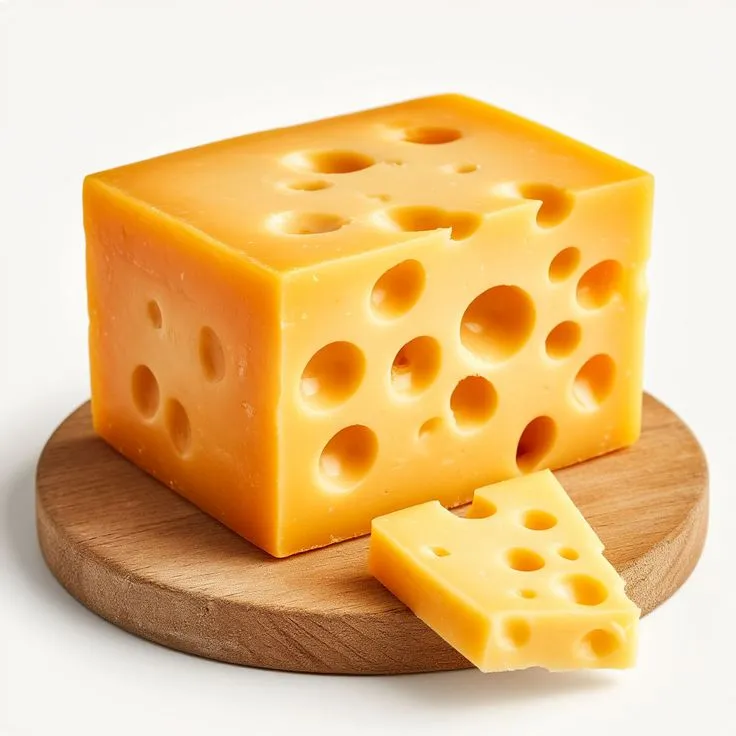
A yellow shade can look simple on a color chart, yet the finished food decides whether it really works. When a manufacturer selects a natural food colorant, the recipe’s pH, fat content, heat exposure, and processing method all matter. FoodRGB advises formulators to match colors to the application rather than relying on shade alone. This becomes especially important in cheese, dairy foods, snacks, and baked products, where the same yellow pigment may appear quite different once it meets proteins, oils, starches, or other ingredients.
Yellow Can Come From Different Sources
Natural yellow is not tied to one ingredient. FoodRGB lists options such as turmeric, beta carotene, and annatto across its natural color range, with each source bringing its own undertone and formulation behavior. A bright yellow drink may call for a different system from a warm cheese color or a seasoned snack. Developers can save time by comparing possible sources in the actual product early. That approach shows not only which shade looks best, but also which color fits the recipe and production conditions with less adjustment.
Annatto Is Useful in Dairy
Annatto has a long history of use in cheese and other dairy products because it can create yellow-to-orange tones without requiring an intense dose. FoodRGB identifies bixin and norbixin as the main pigments in its annatto systems. Bixin is oil-soluble, while norbixin is water-soluble, giving developers different routes depending on the product. In a higher-fat cheese or butter-style application, an oil-compatible version may be practical. In another dairy formulation, a water-compatible system may fit the processing method more comfortably during routine commercial production work.
Choose the Right Yellow for the Recipe
A developer searching for a natural yellow food color should look beyond the first attractive sample. FoodRGB lists annatto in powder, liquid, oil, and custom formats, with a stated working pH range of about 5.0 to 10.0. That range can suit many dairy, baked, snack, and processed-food applications. The format still needs to match the way the product is made. A powder may suit a dry blend, while a liquid or oil system can be easier to introduce into another type of mixture.
Heat Needs a Real Production Check
FoodRGB describes annatto as heat-stable, but manufacturers should still test it under the temperatures their own products experience. A baked cracker, processed cheese, and warm snack coating do not face identical heating times or moisture levels. Small trials should follow the planned production route as closely as possible, then be checked again after cooling. This helps the team see whether the color holds the intended tone instead of assuming that technical data will predict every result. Real processing conditions usually reveal the most useful answer.
Snack Coatings Need Even Coverage
Snack products add another challenge because color often has to spread across an uneven surface. Seasonings, oils, and coating systems can all change how a yellow shade appears. A pigment that looks strong in a cup may look patchy if it does not distribute well across chips, crackers or other snacks. Developers can compare different addition methods and concentrations before scaling up. Sometimes a small change in mixing order or coating viscosity improves coverage more effectively than increasing the amount of color, which can also help control ingredient use.
Scale-Up Can Change the Result
A bench sample gives a developer close control, while commercial equipment introduces larger volumes, longer transfer times, and different mixing patterns. Those changes can affect how evenly a natural yellow color moves through the batch. Before final approval, it is useful to run a pilot batch and compare samples from several points in the process. If the shade varies, the solution may involve changing the addition order, concentration, or physical format. Solving that during scale-up is easier than correcting inconsistent color after routine production has already started.
Conclusion
Natural yellow color works best when it is chosen for the food, not simply for the shade name. Annatto can be a practical option for dairy, cheese, snacks, baked goods, and other processed products because it is available in several formats and offers yellow-to-orange tones. Manufacturers can use foodrgb.com to review natural color solutions and technical support for different applications. Careful testing of pH, heat, mixing, scale, and storage gives teams a better chance of selecting a color that remains consistent from development through commercial production.