

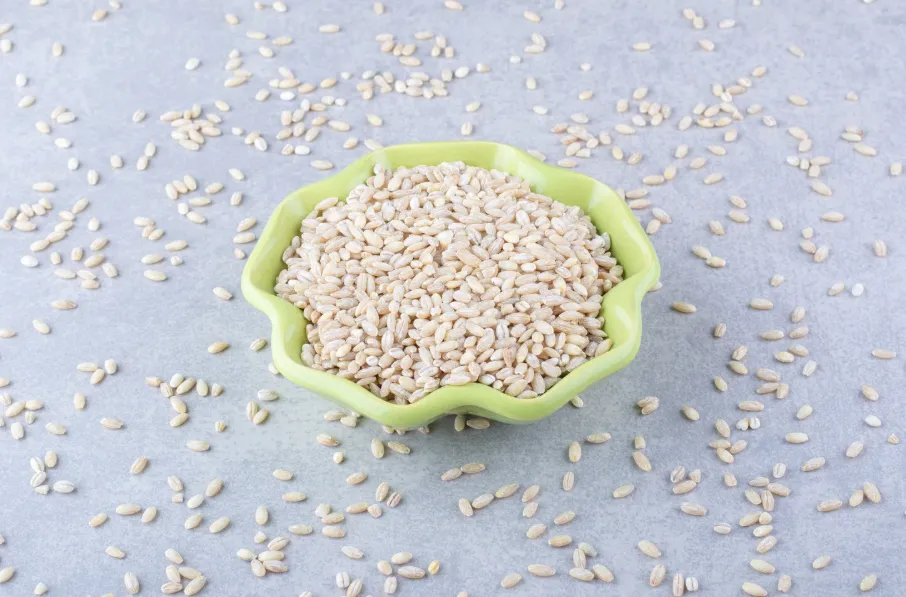
Global food businesses often depend on ingredients that travel thousands of miles before reaching production. White sesame is one such ingredient, and its commercial value depends on far more than appearance. When choosing a white sesame seeds bulk exporter, buyers should consider how the product is selected, cleaned, packed, documented, and protected during transit. A strong sourcing decision connects product quality with practical logistics, helping importers and manufacturers receive material that performs consistently when it reaches processing, packing, or retail channels.
Quality Begins Before Shipment
White sesame is used in bakery products, tahini, confectionery, seasoning mixes, snacks, and oil-related applications. Because these uses differ, buyers should begin by defining what the seeds need to do in the finished product.
A bakery may care about uniform appearance after baking. A processor making paste may focus more on flavour, roasting behaviour, and texture after grinding. A snack producer may look closely at colour and how the seeds perform in coatings.
This end-use thinking makes supplier discussions more specific. Instead of simply requesting “high-quality sesame,” the buyer can explain the application and agree on relevant quality limits.
Put Expectations in Writing
Bulk ingredients should not be purchased on description alone. A written specification gives both sides a shared standard and helps quality teams assess incoming shipments objectively.
For sesame, the document may cover purity, moisture, foreign matter, seed condition, colour, and other physical characteristics. Packaging instructions, net weight, labelling, and batch identification can also be included. If the destination market or buyer has microbiological or residue requirements, these should be confirmed before shipment.
The same specification can then guide sample approval and incoming inspection, making meaningful differences between lots easier to identify.
Transit Is Part of Product Quality
A batch can leave a facility in good condition and still arrive with problems if the supply chain is poorly planned. Moisture exposure, damaged bags, unsuitable storage, and strong surrounding odours can all affect dry agricultural ingredients.
Importers should therefore review the journey, not only the product. Packaging needs to suit transit length, handling points, container conditions, and the buyer’s warehouse system. Clear batch marks also make stock rotation and traceability easier after arrival.
Packaging should be inspected when goods are received. Damage found early can be documented before the material enters production.
Different Ingredients Need Different Controls
A business that successfully imports sesame may later add herbs, spices, or fibre ingredients to the same purchasing program. The procurement framework can remain similar, but the actual quality checks should change with the product.
For example, a psyllium husk supplier in Canada may source material for food, wellness, or ingredient-distribution businesses. Psyllium is valued for its functional fibre properties, so that buyers may focus on purity, moisture, particle characteristics, cleanliness, and suitability for the intended formulation rather than the visual standards used for sesame.
This illustrates an important procurement principle: one generic checklist cannot replace a product-specific specification. Each ingredient has its own processing behaviour and performance expectations.
Samples Should Be Tested
Representative samples help buyers understand whether an ingredient suits their operation, but visual approval is only the first step.
Sesame can be roasted, baked, milled, or blended before evaluation. Psyllium may need to be checked in the formulation or process for which it is being purchased. Small trials allow production teams to see how the ingredient behaves instead of relying only on a catalogue description.
Keeping an approved reference and short trial notes also improves repeat purchasing. Future shipments can be compared with a known benchmark, making quality discussions more objective.
Build Around Repeatability
The real test of a bulk supplier comes after the first order. Agricultural ingredients naturally vary between crops and lots, but commercial buyers still need those differences to remain within agreed limits.
Procurement teams should monitor incoming results, delivery timing, packaging condition, documentation, and production feedback across several shipments. If an ingredient changes noticeably, the supplier should be informed quickly so both sides can determine whether the variation is acceptable or requires action.
Price matters, but predictable quality and communication often create more value over time than a low quotation that leads to repeated adjustments.
Conclusion
Reliable ingredient sourcing combines product knowledge with supply-chain control. White sesame buyers need clear specifications, practical sample testing, suitable packaging, and repeatable quality checks. Businesses sourcing psyllium or other agricultural ingredients need the same discipline while adapting standards to the product itself. When procurement teams evaluate what happens before, during, and after shipment, they can reduce avoidable surprises and build a supply chain that supports consistent manufacturing and long-term purchasing.