

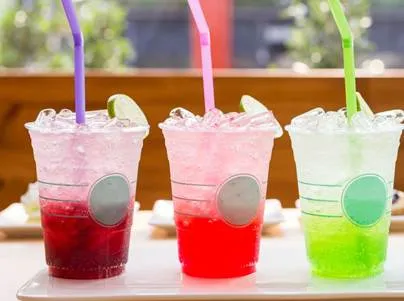
Ask any beverage developer which part of a launch brings the most surprises, and many will say color. The drink tastes right, the sugar level is perfect, and then the bottle looks tired after three weeks on a shelf. Choosing food coloring for drinks is less about picking a pretty shade and more about predicting what happens in a clear, acidic, light-exposed liquid. These notes come from the practical side of the bench. Here is what usually matters most in practice.
Clear, Cloudy, or Somewhere Between
Before choosing a pigment, decide how the drink should look. A clear water-based beverage shows every particle, so the color must dissolve fully. A cloudy juice drink hides small flaws but changes how a shade reads. Pigment that looks brilliant in a glass jar can turn muddy in a juicy base. Write down the look you want, then test candidates in the real liquid instead of tap water, which behaves quite differently from your formula. Bubbles and sweeteners can change the picture.
Dosing Concentrates by Weight
Liquid color concentrates are strong, so tiny differences in dosing can change the shade. Weigh them rather than measuring by volume, since density varies between products. Pre-dilute the concentrate in a small amount of water before adding it to the main tank, which prevents streaks and hot spots. Record the dose per batch size so operators can repeat it exactly. A one-line dosing sheet taped near the tank saves many shift-to-shift arguments about shade. Good habits here keep the shade consistent.
Purple and Red Drinks
For berry-style drinks, plant roots can do the job. A sweet potato concentrate gives red to purple tones with decent sturdiness, which suits fruit punches and sports drinks. Its shade depends on pH, so check it in your finished formula and not in water. Vitamin C, a common add-in for functional drinks, can speed up fading in anthocyanin colors, so include it in your trials. It is better to learn this at the bench than in a customer complaint. Test early.
Sweeteners, Acids, and Preservatives
Every ingredient in a drink talks to the pigment. Acids shift shade, preservatives can interact with certain colors, and sweetener blends alter clarity. Change one thing at a time when troubleshooting; if you swap a sugar for a reduced-sugar blend, re-check color even if you did not touch the pigment. Teams often blame the color first, when the real cause is a new ingredient added upstream by someone who never thought to mention it. Keep a short change log for every formula.
Heat and Hot Filling
Many beverages are pasteurized or hot filled, and heat is hard on delicate pigments. Ask suppliers about the temperature and time ranges their color tolerates. Sometimes adding color after the heat step keeps it brighter, if your process allows that. For hot-filled lines, run a full-scale trial with the same hold time as production. Compare the finished bottle with a fresh lab sample so you can see exactly how much shade the process takes away. The difference is often larger than expected.
Light Is the Quiet Problem
Clear PET and glass bottles let a lot of light through, and light fades many natural colors over weeks. Store test bottles near a window or under strong lamps and compare them with samples kept in the dark. Tinted bottles, labels that cover more of the surface, and cartons can all help. Retail coolers use bright lights too, so a drink can age quickly in the very place where shoppers are looking at it. Shelf life studies should copy those real conditions.
Sensory Checks Matter Too
Color can change how people judge flavor. A pale red drink may seem less fruity than a deeper one, even if the recipe is identical. Run a small tasting panel with the same drink at two color levels and watch what happens to the scores. Also check that the pigment adds no unwanted taste at your dose. Most beverage colors are used at tiny levels, but it is still smart to confirm before you scale up. Numbers beat opinions every time.
Packing Up the Notes
A good beverage color is chosen like any other key ingredient, with data and a bit of patience. Test in the real liquid, protect from heat and light, and keep your dosing records clean. When you want samples and application help for your next drink launch, take a look at foodrgb.com and share your formula details. A short technical conversation early on can prevent weeks of rework once the bottles are already filled. Customers only ever see the finished, filled bottle.